Fun Facts About Hungary's Terrain

The Great Hungarian Plain
The Great Hungarian Plain, also known as the Pannonian Plain, is the largest geographical region in Hungary, covering more than half of the country’s territory. This vast plain is characterized by its flat and fertile landscape, making it an important agricultural region in Hungary. The plain is bordered by the Danube River to the west and the Tisza River to the east, providing essential water sources for irrigation and sustaining the rich biodiversity of the region. The Great Hungarian Plain is also home to unique natural features such as the Hortobágy National Park, a UNESCO World Heritage Site known for its traditional Hungarian steppe landscape and diverse wildlife. The plain’s open grasslands and wetlands provide habitats for a variety of bird species, making it a popular destination for birdwatchers and nature enthusiasts. Additionally, the Great Hungarian Plain is dotted with charming villages and historic towns, offering visitors a glimpse into traditional Hungarian rural life and culture. The Great Hungarian Plain’s flat terrain and fertile soil have made it an ideal location for agriculture for centuries. The region is known for its production of wheat, corn, sunflower, and other crops, contributing significantly to Hungary’s agricultural output. The plain’s agricultural heritage is also reflected in its cultural traditions, with horsemen and shepherds playing an important role in the region’s history and folklore. The Great Hungarian Plain’s vast expanse and unique natural beauty have inspired artists and writers throughout history, with its sweeping landscapes and endless skies serving as a muse for many creative works. Overall, the Great Hungarian Plain is a vital part of Hungary’s topography, offering a blend of natural beauty, cultural heritage, and agricultural significance.
The Northern Hungarian Mountains
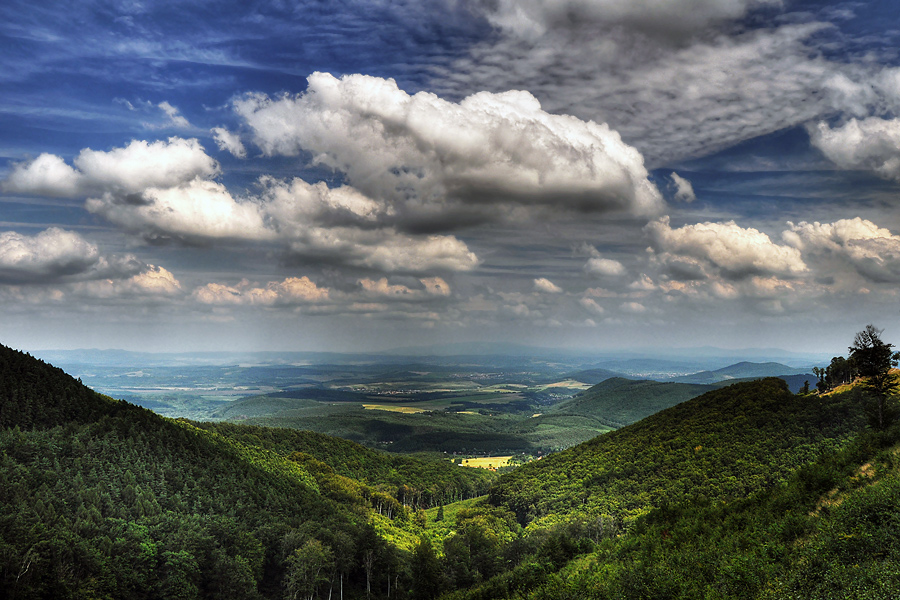
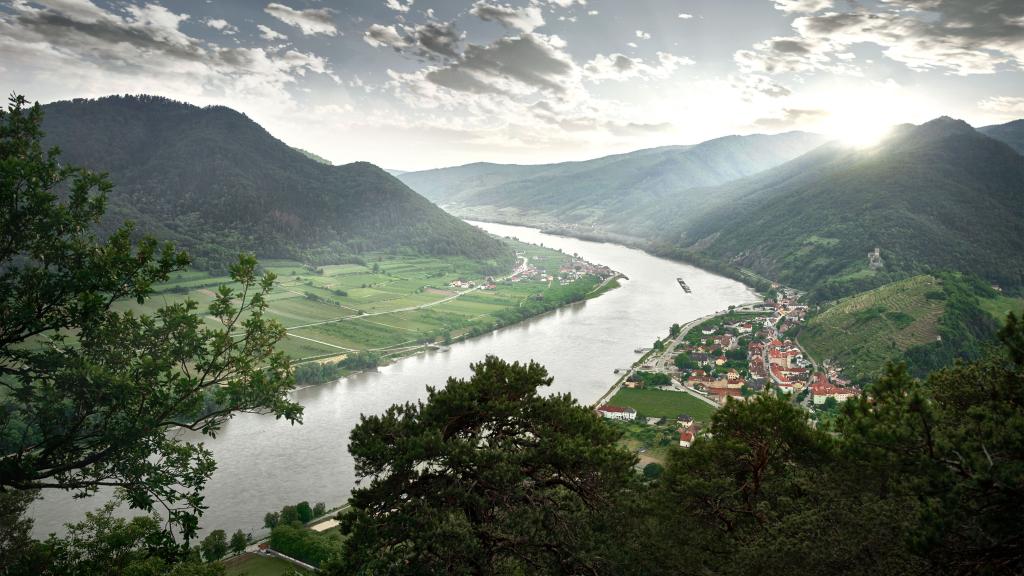
The northern part of Hungary is dominated by the Northern Hungarian Mountains, a rugged and mountainous region that forms a natural border with Slovakia. This area is known for its dramatic landscapes, including high peaks, deep valleys, and dense forests that create a stunning backdrop for outdoor activities and nature exploration. The Bükk National Park, one of Hungary’s largest national parks, is located in this region and is home to diverse ecosystems, including limestone caves, karst formations, and rare plant species. The park’s extensive network of hiking trails allows visitors to explore its natural wonders while enjoying breathtaking views of the surrounding mountains. The Northern Hungarian Mountains are also rich in cultural heritage, with historic castles, medieval towns, and traditional villages scattered throughout the region. The area’s unique blend of natural beauty and cultural significance has made it a popular destination for tourists seeking to immerse themselves in Hungary’s history and traditions. Additionally, the region’s thermal springs and wellness resorts offer visitors a chance to relax and rejuvenate amidst the tranquil mountain landscapes. Overall, the Northern Hungarian Mountains are a testament to Hungary’s diverse topography, offering a blend of natural wonders, cultural treasures, and recreational opportunities for visitors to enjoy.